
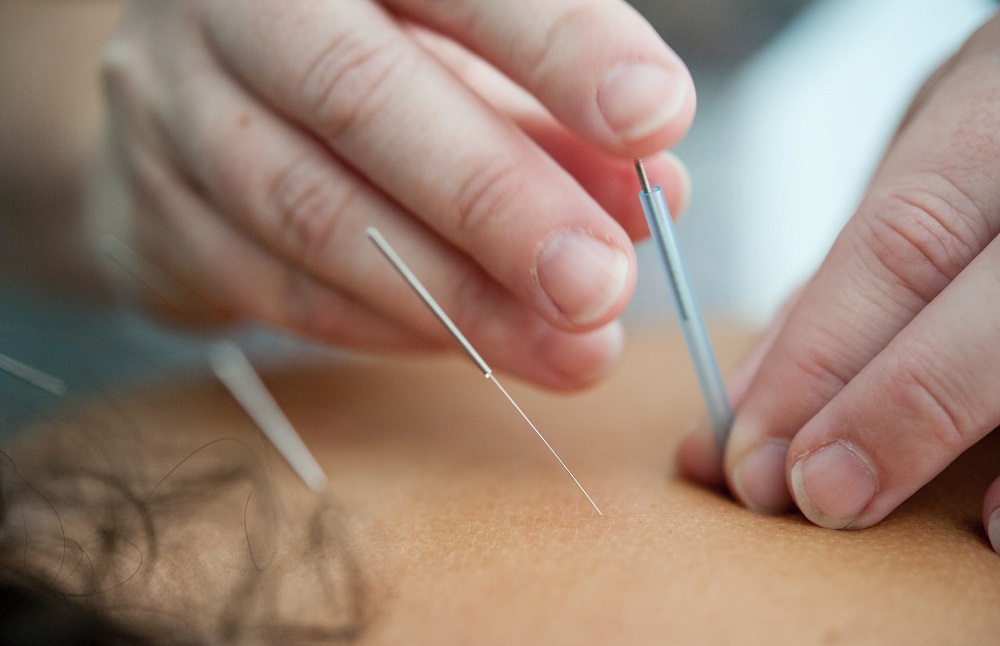
Acupuncture vs. Dry Needling: What’s the Difference?
Both therapies use fine needles to relieve pain and muscle tension, but their approaches and goals differ:
- Acupuncture is rooted in Traditional Chinese Medicine with over 2,000 years of history. Licensed acupuncturists complete four years of graduate training. Very fine needles are gently placed along meridian pathways to treat both musculoskeletal pain and internal conditions like migraines, stress, anxiety, allergies, and digestive issues. Treatments are gentle, relaxing, and virtually painless.
- Dry Needling is a modern, Western technique focused strictly on musculoskeletal dysfunction. Typically practiced by physical therapists and chiropractors with specialized postgraduate certification, it targets myofascial trigger points (muscle knots). Needles are worked in and out to trigger an involuntary muscle twitch, releasing deep tension, boosting circulation, and resetting tight muscle tissue. Treatments are quicker, though the sensation can be more intense.
The Shared Benefits
Whichever you choose, both therapies are proven to:
- Relieve deep muscle tension and chronic pain
- Improve joint mobility and range of motion
- Prep tight tissue for adjustments or rehab exercises
- Speed up recovery times